
Markets Are Watching the War — But the Real Story Is the Economy

Markets Are Watching the War — But the Real Story Is the Economy

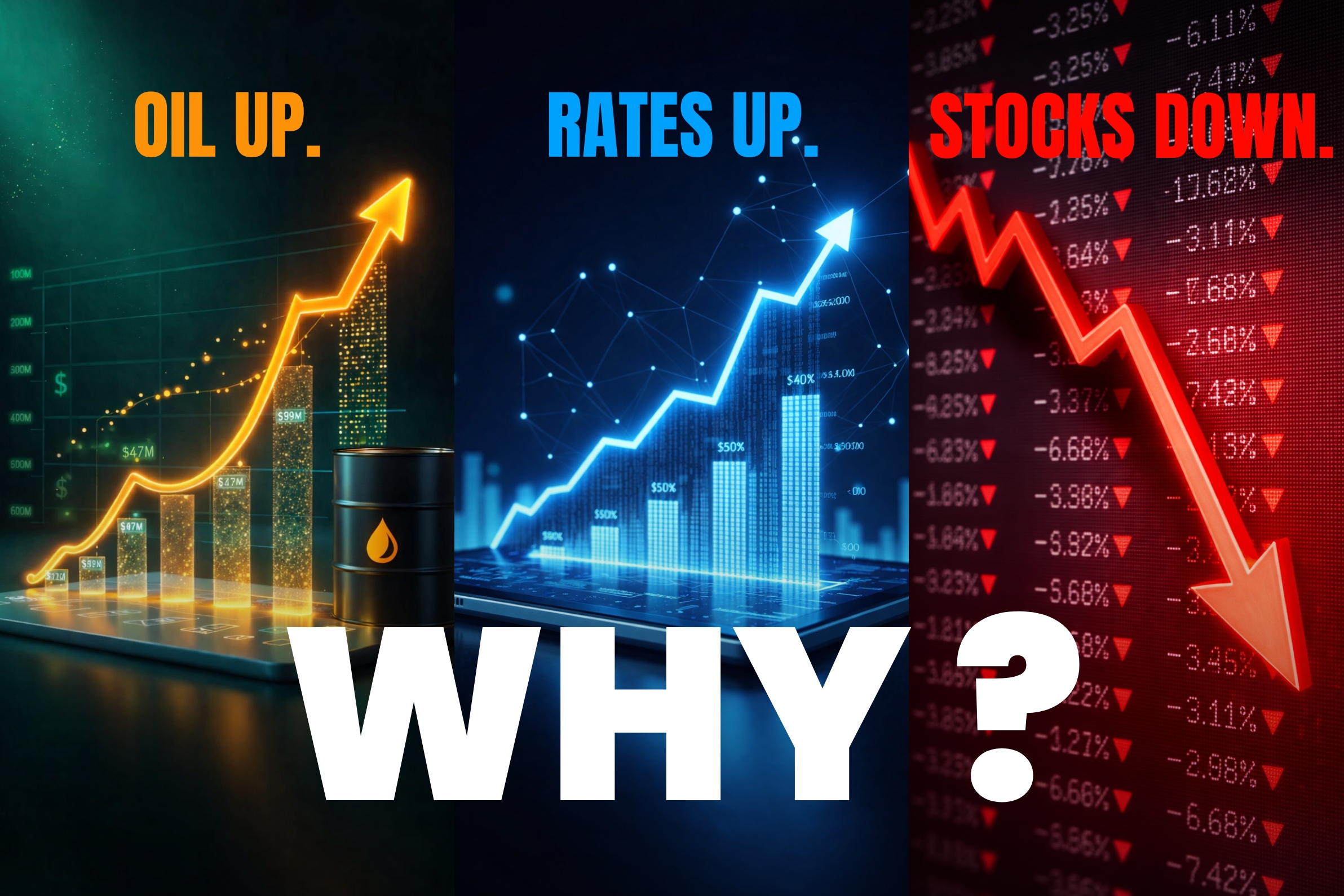
As the first month of the Iran conflict comes to a close, investors are no longer focused only on headlines from the battlefield. The real question now is simple: who will step back first, and how long can markets tolerate uncertainty if no one does?
Many market observers believe the conflict has already lasted longer than policymakers initially expected. Early expectations were for a short and contained situation, but the reality has been very different. There were no clear backup plans for major disruptions such as a potential closure of the Strait of Hormuz, broader regional tensions, or the continued missile and drone activity that has kept energy markets on edge.
This has left policymakers walking a tightrope — using strong language one day and calming market rhetoric the next. But markets eventually stop reacting to words alone. When that happens, the balance of power shifts from political messaging to economic reality.
Markets Are Sending a Clear Warning
According to market commentators, the biggest pressure point right now is not the battlefield — it’s the financial markets.
Several key indicators are already moving in the wrong direction for economic stability:
- Oil prices are rising
- The U.S. dollar is strengthening
- Interest rates are moving higher
- Stock markets are declining
This combination tightens financial conditions and slows economic activity. If the conflict continues, the impact will likely spread beyond energy into everyday costs such as transportation, food, and manufacturing. That is when geopolitical risk turns into real economic damage.
Market strategists often describe this as a feedback loop:
Higher energy prices → Higher inflation → Higher interest rates → Slower growth → Lower stock markets.
Why the Strait of Hormuz Matters So Much
Global market analysts widely agree that control of the Strait of Hormuz remains the most important economic factor in this conflict. A significant portion of the world’s oil supply passes through this narrow shipping route, and even the threat of disruption can send energy prices higher.
As long as there is uncertainty around this route, energy markets will remain volatile, and that volatility feeds directly into inflation expectations and central bank policy decisions.
The Political and Market Balancing Act
Market observers note that political leaders often watch financial markets closely because markets react immediately to risk. Falling stock markets, rising oil prices, and higher borrowing costs can quickly influence economic sentiment, business investment, and consumer confidence.
This is why many analysts believe the direction of markets may ultimately influence political decisions more than the conflict itself. If financial conditions continue to worsen, pressure to stabilise the situation will likely increase.
What Investors Are Watching Now
Despite the recent market correction, earnings forecasts have remained relatively stable so far. Many analysts still expect solid earnings growth, but those expectations depend heavily on whether the economic environment stabilises.
If the conflict de-escalates soon:
- Energy prices may fall
- Inflation pressures may ease
- Interest rates may stabilise
- Stock markets may recover
If the conflict continues:
- Earnings forecasts may be revised lower
- Economic growth may slow
- Market volatility may remain high
The Bottom Line for Investors
Market commentators generally agree on one key point: markets can handle bad news, but they struggle with uncertainty.
The recent market decline has improved valuations and created selective opportunities for long-term investors. However, for markets to stabilise and recover, investors will likely need to see a clear shift toward de-escalation and economic stability.
Until then, markets will remain highly sensitive to energy prices, interest rates, and geopolitical developments — because պատերազմի headlines may move markets for a day, but energy, inflation, and interest rates move markets for months.
February 14, 2025 05:07:00am
TradingView is a highly popular financial charting platform that caters to trade...
September 07, 2024 18:19:52pm
The energy industry remains crucial to the global economy, with traditional sect...


April 02, 2026 09:11:28am
 en
en es
es th
th vi
vi zh
zh